
Metabolism Boosting Foods for Men
Discover the science-backed foods that naturally enhance male metabolism, energy levels, and physical performance
The information on this site is for educational purposes only and does not constitute medical advice. Always consult a qualified healthcare professional before making health decisions.
Food Categories
Filter foods by their primary metabolic benefit

Chicken Breast
Lean poultry rich in complete proteins and B vitamins. Chicken breast contains minimal fat while delivering essential amino acids that support muscle synthesis and metabolic rate. Each 100g serving provides approximately 31g of protein, making it a cornerstone food for male nutrition and energy expenditure optimization.
Read more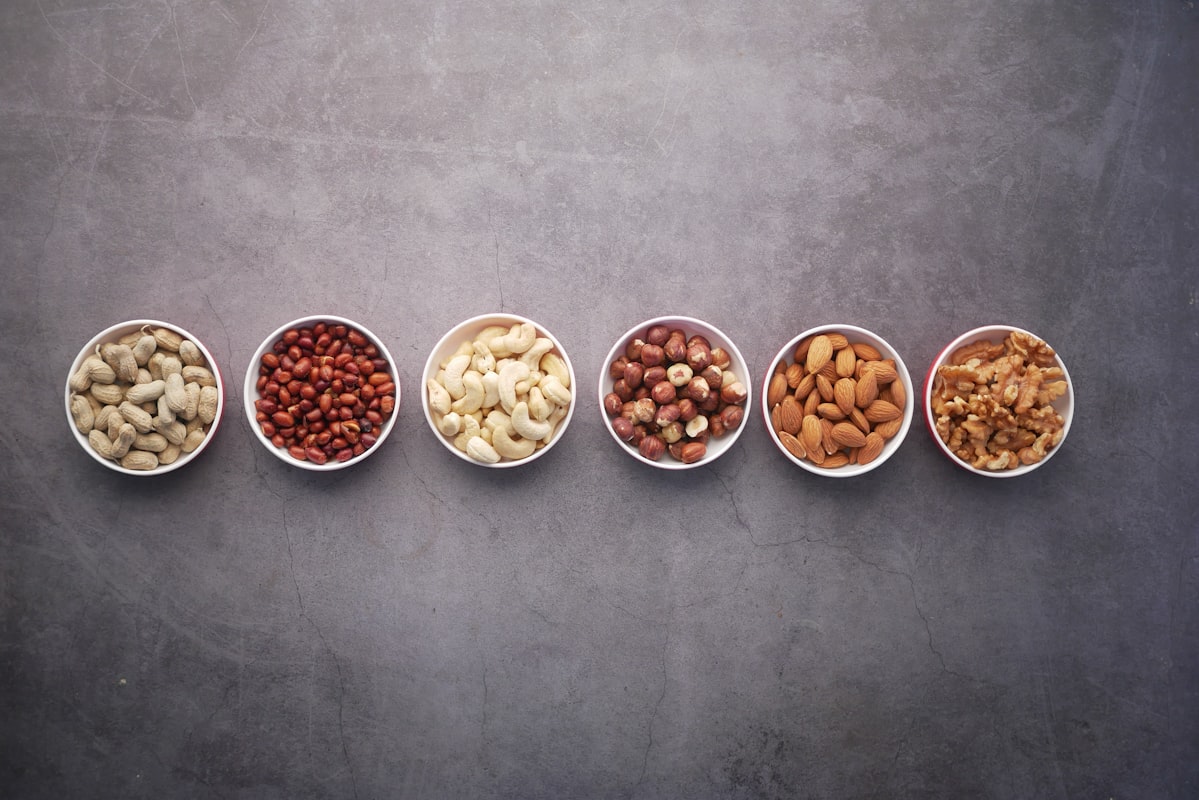
Green Tea
Natural beverage containing catechins and L-theanine, known for supporting thermogenesis in the body. Green tea provides a gentle caffeine boost without the jitters, while its polyphenols support antioxidant function. Regular consumption is explored in wellness routines for those seeking natural energy elevation and sustained mental clarity throughout the day.
Read more
Oysters
Shellfish extraordinarily dense in zinc, selenium, and vitamin B12. A single serving delivers significant dietary zinc necessary for numerous enzymatic processes and immune function. Oysters also provide iron and copper, essential cofactors in cellular energy production and metabolic efficiency for active males seeking nutrient-dense foods.
Read more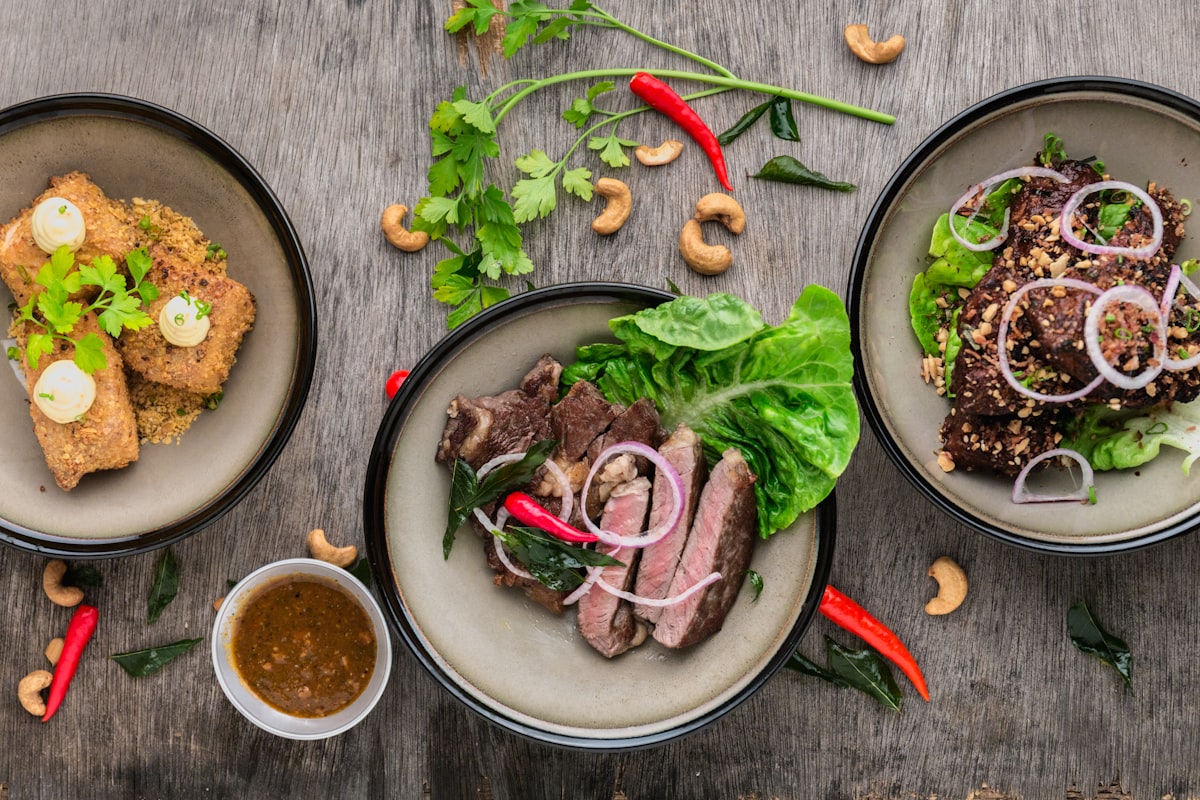
Eggs
Complete protein source containing all nine essential amino acids plus choline for cognitive support. Eggs deliver leucine, a branched-chain amino acid critical for muscle protein synthesis. The yolk contains lutein, zeaxanthin, and selenium—compounds that support overall cellular health and metabolic function in active men.
Read more
Brazil Nuts
Tree nuts exceptionally high in selenium, a trace mineral essential for thyroid hormone metabolism and antioxidant defense. Just two to three Brazil nuts daily provide adequate selenium intake. The nuts also offer magnesium, phosphorus, and healthy fats that support hormonal balance and sustained energy production throughout the day.
Read more
Chili Peppers
Spicy vegetables containing capsaicin, an alkaloid that stimulates thermogenesis and heat production in the body. Chili peppers provide vitamin C for immune support and numerous polyphenolic compounds. The mild warming sensation they produce may support post-meal energy expenditure and contribute to overall dietary thermogenic effect in regular consumption patterns.
Read more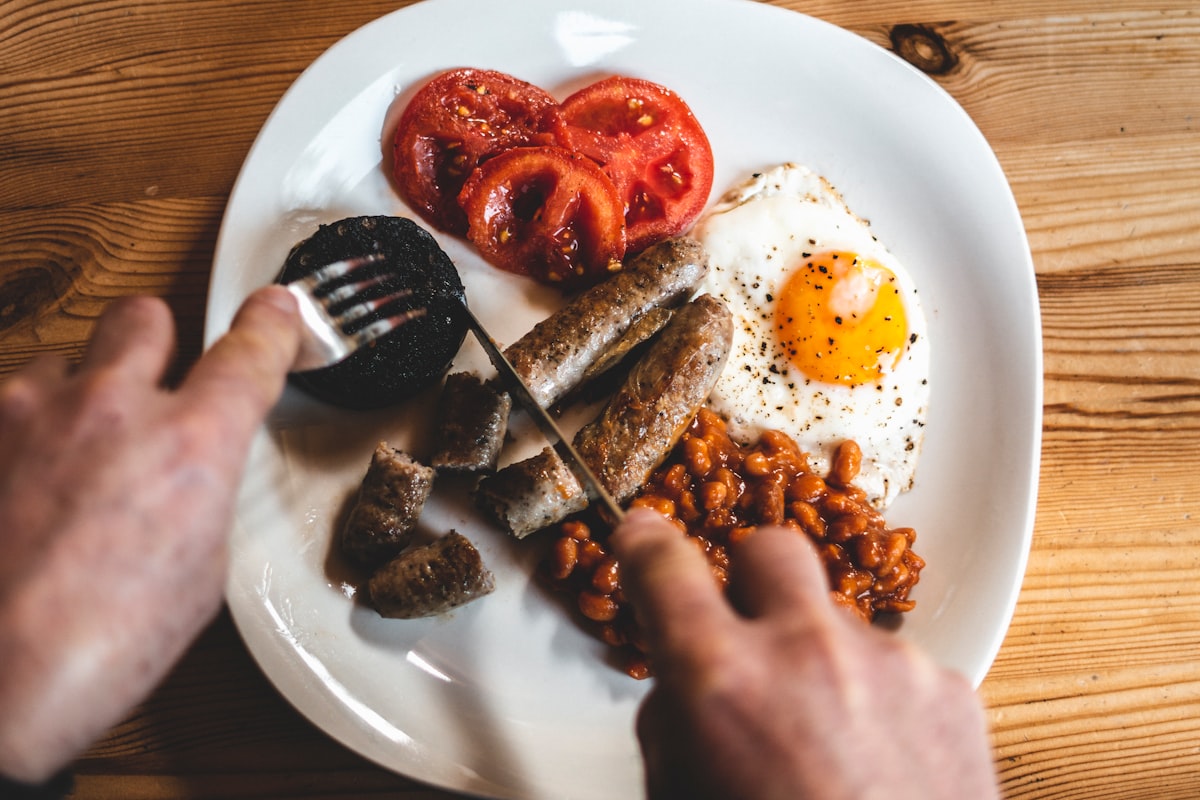
Wild Salmon
Cold-water fish rich in omega-3 polyunsaturated fatty acids, high-quality protein, and vitamin D. Salmon delivers eicosapentaenoic acid (EPA) and docosahexaenoic acid (DHA), compounds that support cardiovascular function and nutrient absorption. The astaxanthin pigment provides powerful antioxidant support for cellular recovery and sustained metabolic performance.
Read more
Pumpkin Seeds
Seeds packed with magnesium, zinc, manganese, and phosphorus—all critical cofactors in energy metabolism and enzymatic function. Pumpkin seeds provide arginine, an amino acid involved in nitric oxide production and vascular health. The seeds also contain tryptophan for mood support and phytosterols that may contribute to overall wellness in active male nutrition patterns.
Read moreHow These Foods Support Male Metabolism
Understanding the science behind nutritional choices
The Metabolic Advantage of Nutrient-Dense Foods
Male metabolism operates distinctly from female physiology, with greater muscle mass and testosterone levels creating unique nutritional requirements. Foods rich in complete proteins increase the thermic effect of digestion, meaning your body expends more energy processing them compared to carbohydrates or fats. This metabolic advantage compounds with consistent consumption of nutrient-dense whole foods.
Mineral cofactors like zinc, selenium, and magnesium serve as essential components in enzymatic pathways that regulate energy production at the cellular level. Without adequate dietary intake, even well-structured exercise routines may yield suboptimal results. The foods listed above were selected specifically for their capacity to provide these cofactors while supporting hormonal balance and sustained energy.
Beyond macronutrients, compounds like catechins from green tea and capsaicin from chili peppers work through distinct biological mechanisms to influence how efficiently your body utilizes calories. When incorporated into a balanced dietary pattern, these foods create a synergistic effect that supports overall metabolic health and physical performance.
Understanding Metabolic Factors
Key elements that influence how your body processes food
Thermic Effect of Food
The energy your body expends to digest, absorb, and process nutrients. Protein-rich foods require approximately 20-30% of their calories for digestion, compared to 5-10% for carbohydrates and fats. This difference creates a measurable impact on daily energy expenditure when sustained over time.
Muscle Tissue Support
Lean muscle tissue is metabolically active, consuming calories even at rest. Complete protein sources provide all essential amino acids needed for muscle protein synthesis. This creates a positive feedback loop where consistent nutrition supports muscle maintenance, which in turn supports metabolic rate.
Hormonal Regulation
Nutritional status directly influences hormonal balance, which governs metabolic rate, appetite, and energy distribution. Selenium, zinc, and adequate protein intake support thyroid function and healthy endocrine signaling. These mineral cofactors are not produced by the body and must come from dietary sources.
Sustained Energy Delivery
Nutrient timing and food composition influence blood glucose stability and energy availability throughout the day. Whole foods with adequate fiber, protein, and healthy fats produce slower, more stable energy curves compared to processed alternatives, supporting consistent metabolic function and mental clarity.
Frequently Asked Questions
Common questions about metabolism and male nutrition
How quickly do metabolic foods show results?
Metabolic changes from dietary modifications typically become noticeable over 2-4 weeks of consistent implementation. Energy levels may improve within days due to better nutrient delivery, while changes in body composition require sustained practice alongside appropriate activity levels. Individual variation is significant based on baseline fitness, age, and overall lifestyle factors.
Can these foods replace exercise?
Nutrition and physical activity work synergistically but are not interchangeable. Proper food intake supports recovery from exercise, provides energy for training, and supplies nutrients for adaptation. Without resistance training or consistent activity, metabolic foods alone will not produce the body composition changes many seek. Both elements are essential components of a comprehensive approach.
What serving sizes are recommended?
General guidelines suggest consuming 25-35g of protein per meal, roughly equivalent to 100-150g of chicken breast or three eggs. Green tea consumption benefits from 2-3 cups daily, while portion-controlled amounts of nuts (1 ounce or handful) provide adequate mineral supplementation. Individual needs vary based on body weight, activity level, and dietary objectives.
Are frozen versions as beneficial as fresh?
Frozen vegetables and seafood retain most nutritional value, as freezing occurs at peak ripeness before nutrient degradation. Frozen salmon contains equivalent omega-3 content to fresh variants, and frozen vegetables maintain mineral content exceptionally well. The convenience and year-round availability of frozen options make them practical alternatives to fresh produce without meaningful nutritional compromise.
How do age and metabolism relate?
Resting metabolic rate gradually declines with advancing age due to natural decreases in muscle tissue and hormonal changes. However, consistent resistance training and adequate protein intake substantially slow this decline. The foods highlighted here become increasingly important with age, as nutrient density maximizes efficient utilization of calories and supports the metabolic processes that decline with time.
Can dietary patterns affect sleep quality?
Absolutely. Foods rich in magnesium (pumpkin seeds, Brazil nuts) and tryptophan support natural melatonin production and sleep architecture. Conversely, excessive caffeine from green tea consumed late in the day may disrupt sleep timing. Proper meal timing—avoiding large meals 2-3 hours before sleep—supports quality rest, which is essential for metabolic recovery and hormonal balance.
What Men Are Learning
After understanding how thermogenic foods work, I incorporated green tea and chili peppers into my daily routine. The sustained energy throughout the afternoon completely changed how I approach my workday and training sessions. This isn't about quick fixes—it's about understanding how nutrition supports what your body naturally does.
Rudi Hartmann
Jakarta
I learned that oysters and Brazil nuts weren't luxury foods—they were targeted nutritional tools. Adding proper mineral intake transformed my recovery patterns and how efficiently my body processes training stimulus. The science behind mineral cofactors finally made sense when I saw the results firsthand in my performance metrics.
Marcus Suryanto
Bandung
Switching to wild salmon and consistent egg consumption adjusted my energy baselines upward. I didn't need energy drinks or supplements—just nutrient density. Understanding thermic effect changed how I plan meals. This content helped me stop guessing and start using food as a metabolic tool.
David Wijaya
Yogyakarta
Explore Complete Food Guides
Dive deeper into metabolism science, nutrient profiles, and practical implementation strategies for male nutrition optimization